Debt Settlement Letter Template: How to Write an Effective Settlement Offer
Introduction
When dealing with overwhelming credit card debt, many people look for ways to reduce what they owe and create a manageable repayment plan. One of the most important steps in negotiating with creditors is preparing a clear and professional debt settlement letter template.
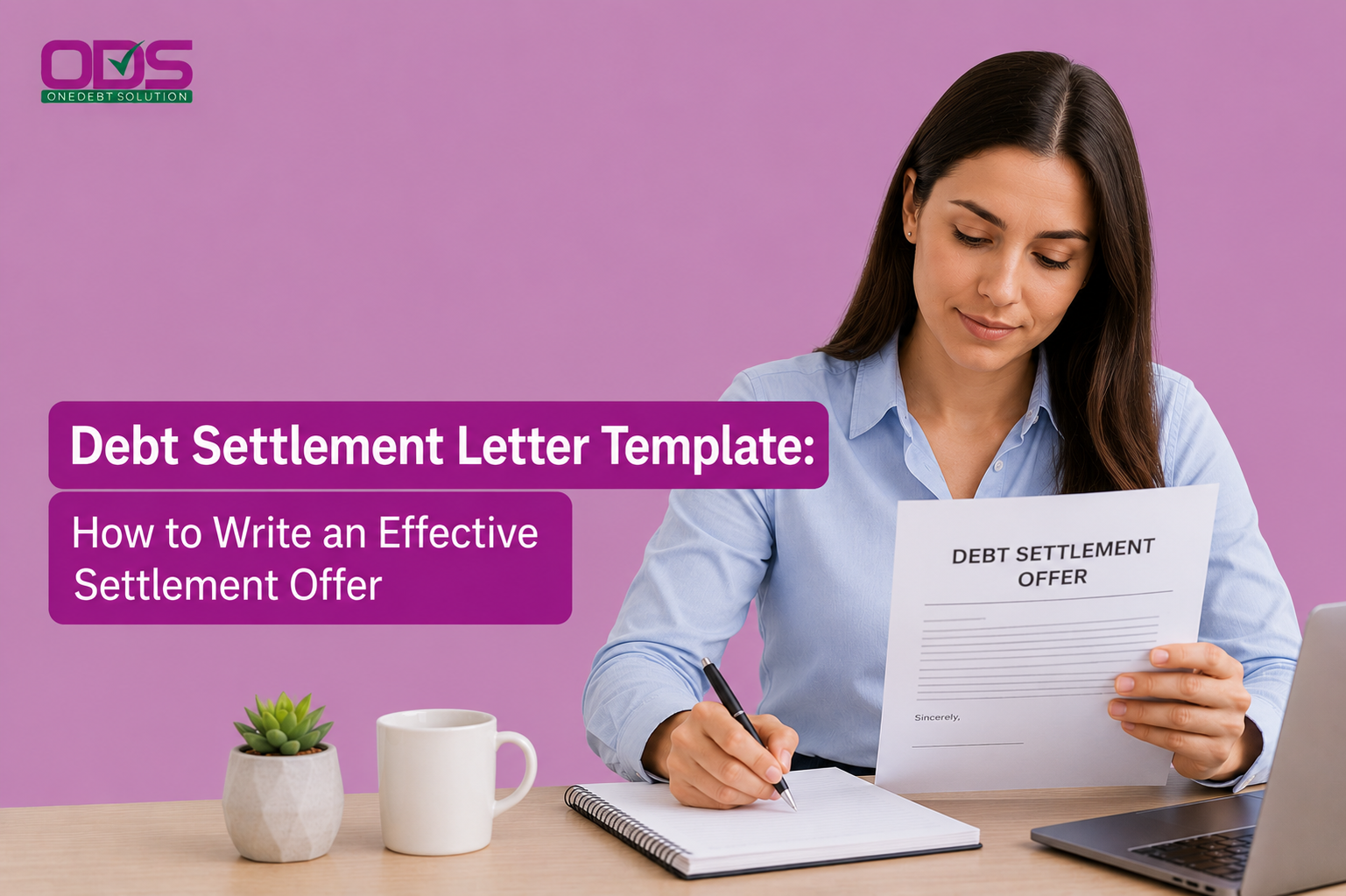
A debt settlement letter is a written proposal sent to a creditor or collection agency requesting to settle an outstanding balance for less than the total amount owed. A well-written letter can explain your financial hardship, present a reasonable settlement offer, and help create a documented agreement.
However, sending the wrong information or making unclear promises can reduce your chances of reaching a successful settlement. Understanding what to include, what mistakes to avoid, and how the process works can help you negotiate more effectively.
Quick Answer: What Is a Debt Settlement Letter Template?
A debt settlement letter template is a structured document that helps borrowers formally request a reduced payoff amount from creditors. It usually includes details about the debt, financial hardship, proposed settlement amount, payment terms, and request for written confirmation.
A settlement letter does not guarantee that a creditor will accept your offer, but it provides a professional starting point for negotiations.
What Is a Debt Settlement Letter?
A debt settlement letter is a written communication between a borrower and creditor that proposes resolving a debt for less than the current balance.
For example, if you owe $10,000 in credit card debt, you may offer a creditor a one-time payment of $5,000 as a full settlement. If accepted, the creditor agrees to consider the account resolved based on the negotiated terms.
According to information from the Consumer Financial Protection Bureau, consumers should understand the risks, costs, and agreements involved before entering debt relief arrangements.
A proper settlement letter should clearly explain:
- Your current financial situation
- The reason you cannot pay the full balance
- Your proposed settlement amount
- Payment timeline
- Request for written confirmation
Why Do You Need a Debt Settlement Letter?
Many debt negotiations happen through phone conversations, but verbal agreements can create problems later.
A written debt settlement letter helps:
Create Documentation
A written agreement provides proof of:
- Settlement offer details
- Agreed payment amount
- Creditor acceptance terms
Explain Financial Hardship
Creditors are more likely to consider settlement requests when borrowers explain genuine financial difficulties.
Common reasons include:
- Job loss
- Reduced income
- Medical expenses
- Unexpected financial emergencies
Avoid Misunderstandings
A written settlement agreement ensures both parties understand:
- How much will be paid
- When payment will be made
- Whether remaining debt will be forgiven
How to Write a Debt Settlement Letter Template
Creating an effective settlement letter requires including the right information.
1. Add Your Personal and Account Information
Start your letter with:
- Full name
- Address
- Contact information
- Account number
- Creditor name
This helps the creditor identify your account quickly.
2. Explain Your Financial Hardship
Creditors want to understand why you cannot repay the full amount.
Keep your explanation honest and simple.
Examples:
- Loss of employment
- Reduced working hours
- Increased household expenses
- Unexpected financial obligations
Avoid adding unnecessary personal details.
3. Make a Realistic Settlement Offer
Your offer should be realistic based on your financial ability.
For example:
Current balance: $8,000
Settlement offer: $4,000
Payment timeline: Within 30 days after acceptance
Your offer should clearly state that the payment is proposed as a full settlement.
4. Request Written Confirmation
Never rely only on verbal approval.
Your letter should request:
- Written acceptance of the settlement amount
- Confirmation that the remaining balance will be forgiven
- Confirmation of account status after payment
Debt Settlement Letter Template Format
Below is a basic structure you can follow:
Sample Debt Settlement Letter Template
Debt Settlement Offer Letter
Dear [Creditor Name],
I am writing regarding my outstanding account balance of [amount]. Due to financial hardship, I am currently unable to repay the full balance under the existing terms.
After reviewing my financial situation, I would like to propose a settlement offer of [amount] as payment in full satisfaction of this account.
If this offer is accepted, I request written confirmation stating that this amount will resolve the account and that no additional balance will remain after payment.
Please provide written acceptance before I submit payment.
Thank you for your consideration.
Sincerely,
[Your Name]
Common Mistakes When Writing a Debt Settlement Letter
-
Offering Too Much Money: Do not offer an amount that you cannot realistically afford.
-
Admitting Responsibility Without Understanding Terms : Carefully review the agreement before making payments.
-
Not Getting Written Confirmation: A verbal promise may not protect you if disputes occur later.
-
Ignoring Tax Implications : In some cases, forgiven debt may be considered taxable income. The IRS Cancellation of Debt Information explains how canceled debt may affect your taxes.
Debt Settlement Letter vs Debt Negotiation Letter
What Happens After Sending a Debt Settlement Letter?
After receiving your letter, creditors may:
Accept Your Offer
The creditor agrees to your settlement terms.
Reject Your Offer
They may request a higher amount or different payment terms.
Make a Counteroffer
The creditor may propose another settlement amount.
During this process, understanding your options is important. If you are unsure whether settlement is the right choice, read more about whether debt settlement is worth it.
Can You Negotiate Credit Card Debt Yourself?
Yes, many consumers negotiate directly with creditors.
The process usually includes:
- Reviewing your total debt
- Understanding your financial limits
- Contacting creditors
- Making a settlement offer
- Getting written confirmation
For a detailed process, you can read:
how to negotiate credit card debt yourself
What Happens If You Stop Paying Credit Card Debt?
Some people consider stopping payments before negotiating settlements, but this decision has serious consequences.
Possible outcomes include:
- Late fees
- Credit score damage
- Collection calls
- Lawsuits
Learn more about the risks:
what happens if you stop paying your credit card
Debt Settlement Statistics and Consumer Trends
Credit card debt continues to impact millions of Americans. Rising balances and financial pressure have increased interest in debt relief solutions.
Understanding current debt trends can help consumers make informed decisions:
credit card debt statistics 2026
Myth vs Reality: Debt Settlement Letters
Tips for Writing a Strong Debt Settlement Letter
Follow these best practices:
✔ Keep the letter professional
✔ Explain your hardship clearly
✔ Offer an affordable amount
✔ Avoid unrealistic promises
✔ Request written confirmation
✔ Keep copies of all communication
Conclusion
A properly written debt settlement letter template can help you communicate effectively with creditors and begin the negotiation process. The key is creating a clear offer, explaining your financial situation honestly, and getting every agreement documented in writing.
Debt settlement is not the right solution for everyone, but understanding your options can help you make a more informed financial decision. Whether you negotiate yourself or seek professional assistance, having a structured approach can improve your chances of reaching a workable resolution.
Frequently Asked Questions
-
What is the purpose of a debt settlement letter?
A debt settlement letter is used to formally request that a creditor accept a reduced payment amount to resolve an outstanding debt. -
How much should I offer in a debt settlement letter?
The amount depends on your financial situation, creditor policies, and negotiation circumstances. Many settlement offers are based on what you can realistically afford. -
Can a creditor refuse a debt settlement offer?
Yes. Creditors are not required to accept settlement requests and may reject or counter your proposal. -
Is a debt settlement agreement legally binding?
A settlement agreement becomes enforceable based on the terms and laws involved. Always request written confirmation before making payment. -
Does debt settlement hurt your credit score?
Debt settlement can negatively affect your credit because accounts are typically reported as settled rather than paid in full.